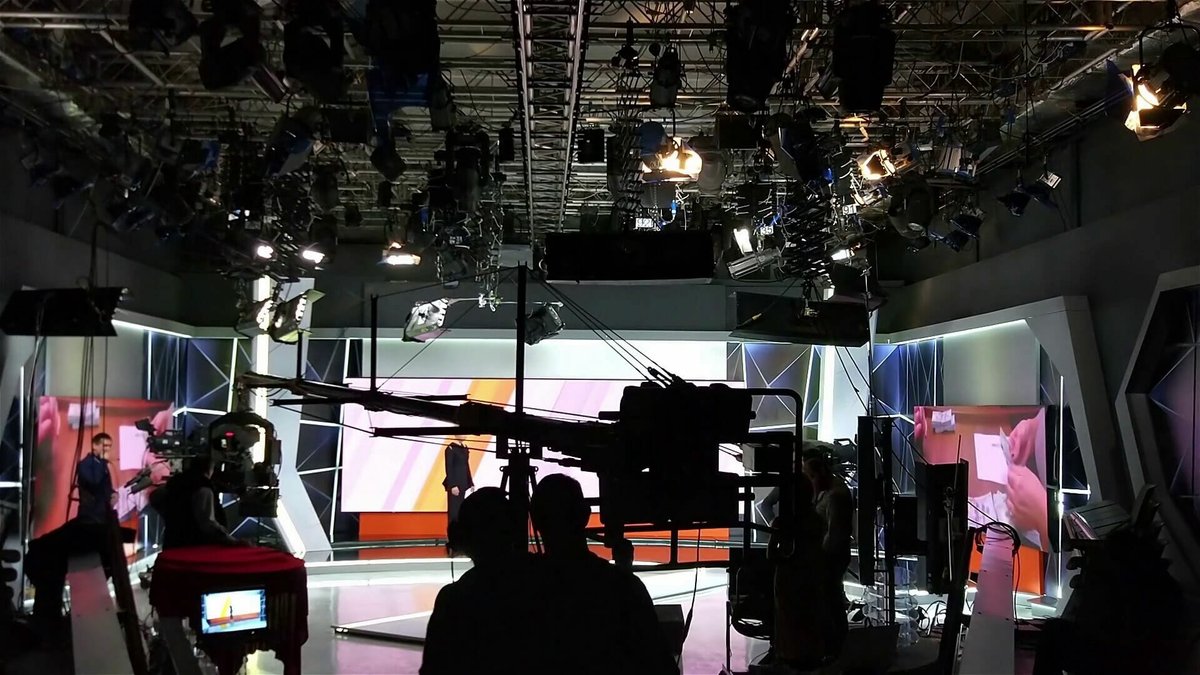
Ever wondered how a brilliant idea for a show morphs from a mere thought into the captivating series you binge-watch over a weekend? It’s a journey that’s as intricate as it is exhilarating, a finely tuned ballet of creativity, strategy, and sheer logistical muscle. Understanding From Script to Screen: The TV Production Process isn't just for industry insiders; it demystifies the magic, showing you the incredible effort behind every laugh, tear, and cliffhanger.
This isn't about mere passive consumption; it's about appreciating the artistry and immense collaboration that brings a fictional world to life. From the lonely writer typing away in a coffee shop to the massive crews orchestrating complex stunts, every stage is crucial. Let's pull back the curtain and explore how television shows are made, step by painstaking, thrilling step.
At a Glance: Your Roadmap to TV Production
- It all starts with an idea: A concept gets refined into a detailed script, then a "show bible."
- Pre-Production is planning everything: This phase covers writing, casting, location scouting, budgeting, and detailed scheduling.
- Production is the actual filming: Crews capture all the visual and audio elements, guided by the director's vision.
- Post-Production polishes the raw footage: Editors, sound designers, VFX artists, and colorists transform raw clips into a finished episode.
- Distribution gets it to you: Networks and streamers strategize how and when to release the show, backed by a robust marketing campaign.
- It’s a collaborative marathon: Hundreds of skilled professionals work together under tight deadlines.
Phase 1: Pre-Production – Laying the Groundwork for Your Series
Think of pre-production as the architectural blueprint for your dream home. You wouldn't start hammering nails before the plans are finalized, and neither does a TV show. This is where abstract concepts are meticulously transformed into concrete, actionable strategies. It's often the longest, most detail-oriented phase, setting the stage for everything that follows.
From Concept to Pilot: Crafting the Story Arc
Every television series begins with an idea, but an idea alone won't get you a green light. It needs to be fleshed out, proven, and packaged.
Developing the Core Concept & The Show Bible
This initial spark is refined into a compelling premise. What's the central conflict? Who are the main characters? What's the world they inhabit? For TV, this often involves creating a "show bible" – a comprehensive document outlining the series' overarching narrative, character biographies, visual style, tone, and potential story arcs for multiple seasons. This bible is a living document, crucial for pitching the show to networks or streaming platforms and for maintaining consistency throughout its run.
The Writer's Room & Scripting the Pilot
Once a concept is greenlit (often based on the show bible and a pilot script outline), a writer's room is assembled. Led by a showrunner, this team of writers breaks down the season's narrative, outlining episode plots, character development, and thematic elements. The most critical script is the pilot episode. This single script must introduce the world, characters, and core premise, convincing executives and potential audiences that the series has long-term potential. It undergoes numerous revisions, with constant feedback from producers, the showrunner, and network executives. A solid pilot script is the bedrock of a successful series.
Visualizing the Narrative: Storyboards and Animatics
With a script in hand, the creative team moves to visualize it. This is particularly important for complex action sequences, intricate dramatic moments, or scenes involving special effects.
Storyboarding Each Key Scene
Directors and cinematographers often work with storyboard artists to create visual representations of each scene. These are like comic book panels, detailing camera angles, character positioning, movement, and key visual elements. Storyboarding helps everyone involved — from the director to the gaffers to the actors — understand the intended shot composition and flow. It resolves creative decisions early, preventing costly reshoots on set.
Pre-visualization (Pre-vis) and Animatics
For highly complex or effects-heavy sequences, animatics (moving storyboards with temporary audio) or more sophisticated pre-visualization (pre-vis) are created. These digital mock-ups allow filmmakers to experiment with camera movement, timing, and virtual sets before anything is actually filmed, ensuring efficiency and creative alignment.
Finding Your Stars: The Casting Process
The right actor can elevate a script; the wrong one can sink it. Casting is a delicate art, especially in television where audiences often form deep connections with characters over years.
The Role of the Casting Director
Casting directors are tasked with finding actors who embody the written characters. They scour talent agencies, attend theater productions, and hold open calls. For lead roles and series regulars, the process is rigorous, involving auditions, screen tests, and "chemistry reads" where potential co-stars perform together to gauge their on-screen dynamic. Network and studio executives often have final approval, particularly for high-profile shows. For example, ensuring the ensemble cast clicks is paramount for a long-running procedural drama like the studio behind Greys Anatomy understands well.
Building the World: Location Scouting and Set Design
The physical environment of a show is a character in itself, setting the mood, tone, and visual identity.
Scouting the Perfect Locations
Location managers scout and secure filming locations. This involves considering aesthetic fit, logistical challenges (e.g., permits, accessibility, noise), and cost. Many TV shows utilize standing sets on soundstages for recurring interiors (like apartments, offices, or hospital rooms) to control environments and schedules, while location shoots add realism and variety.
Designing Sets and Props
Production designers work closely with the director to create the show's visual world. This includes designing and constructing sets, selecting props, furniture, and establishing the overall aesthetic. Every detail, from the color of the wallpaper to the type of coffee mug a character uses, is intentionally chosen to support the story and character.
The Numbers Game: Budgeting and Scheduling
The creative vision, no matter how grand, must operate within practical constraints. This is where producers step in.
Crafting the Detailed Budget
Producers, often working with line producers and assistant directors, create meticulously detailed budgets, allocating funds for every aspect: cast salaries, crew wages, equipment rentals, locations, permits, catering, post-production services, and more. TV budgets are often broken down by episode and managed to stay within strict limits.
Devising the Shooting Schedule
Equally critical is the shooting schedule, which maps out every scene's filming dates, times, and locations. Smart scheduling maximizes efficiency and reduces costs – for example, filming all scenes that take place in a single location consecutively, regardless of their order in the script. This logistical puzzle requires immense foresight and problem-solving skills to manage hundreds of moving parts.
Phase 2: Production – Bringing the Story to Life on Set
This is where the rubber meets the road—the actual filming. The controlled chaos of a film set is a symphony of skilled professionals, all working to capture the vision meticulously planned during pre-production.
Capturing the Visual Story: Filming and Cinematography
The camera is the audience's eye, and the cinematography shapes what they see and how they feel.
The Role of the Director of Photography (DP)
Led by the Director of Photography (DP or Cinematographer), the camera department sets up shots, selects lenses, and manages camera movement. The DP works hand-in-hand with the director to translate the script's emotional beats into visual language. Modern TV productions often use multiple cameras to capture scenes more efficiently, especially for dialogue-heavy sequences or action. While digital technology is standard, some shows still prefer the distinct look of film.
Directing Performance and Vision
The director's primary role during production is to guide the actors' performances and maintain the overall creative vision. They make crucial decisions on pacing, tone, and visual style for each scene. In television, it's common for different episodes within a season to have different directors, each bringing their unique interpretation while adhering to the showrunner's overarching vision and the established tone. Effective directors balance artistic integrity with the practical realities of schedule and budget, requiring strong communication and leadership skills.
The Unsung Hero: Sound Recording
Without clean audio, even the most visually stunning scene falls flat. The sound department is crucial for capturing dialogue and ambient noise on set.
Capturing Pristine Audio
The sound mixer and boom operator use an array of microphones – boom mics for dialogue, lavalier mics hidden on actors – to capture dialogue and other crucial audio elements during filming. Their goal is to record the cleanest possible sound, free from extraneous noise, as this significantly reduces the need for costly and time-consuming audio repair in post-production. Ambient sounds and specific effects are also recorded to help build the soundscape of the show's world.
Painting with Light: Lighting Design
Lighting is more than just making sure actors are visible; it's a powerful storytelling tool that shapes mood, reveals character, and guides the audience's eye.
Crafting the Visual Mood
The lighting team, led by the gaffer and supported by grips, designs and executes the lighting scheme for each shot. They manipulate light and shadow to create visual mood, ensure proper exposure, and support the story's emotional beats. A bright, airy set might convey optimism, while dark, moody lighting could suggest suspense or drama. The careful placement of lights and modifiers sculpts faces and environments, adding depth and dimension to the visual narrative.
Phase 3: Post-Production – Weaving Raw Footage into a Cohesive Narrative
Once filming wraps, the magic truly begins to transform countless hours of raw footage into a polished, coherent story. This phase is where all the puzzle pieces are assembled, refined, and enhanced.
The Editor's Art: Shaping the Story
The editor is the first audience for the raw footage and often considered the final storyteller.
Assembling the Narrative
Editors sift through every take, selecting the best performances and camera angles, then assemble them into a coherent narrative. They determine the pacing, rhythm, and flow of each scene and episode, crafting transitions and building tension or humor. Digital editing systems offer immense flexibility, allowing for experimentation and solving story problems that might not have been apparent on set. TV editors often work under extremely tight deadlines, sometimes even editing episodes concurrently with filming.
Building the Audio World: Sound Design and Music
Beyond dialogue, sound design and music are critical for immersing the audience and enhancing emotional impact.
Creating the Soundscape
Sound designers layer various audio elements: sound effects (SFX) for everything from footsteps to explosions, ambient noise (like city bustle or forest sounds) to establish setting, and Foley sounds (custom-recorded everyday sounds like clothes rustling or props handling) for realism. Music composers create original scores that underscore emotional moments, build suspense, or define a character's theme. Music supervisors also select existing licensed tracks. Finally, a sound mix engineer balances all these audio elements – dialogue, music, and sound effects – ensuring clarity and impact across all speakers.
Enhancing Reality: Visual Effects and Graphics
Not everything can be filmed practically. Visual effects (VFX) fill the gaps, making the impossible look real.
The Power of VFX
Visual effects artists add elements that weren't captured during filming. This can range from subtle tasks like removing unwanted objects from a shot, extending sets, or creating seamless transitions, to more elaborate feats like generating digital environments, fantastical creatures, or complex explosions. The best VFX are often invisible, serving the story without drawing undue attention to themselves. Motion graphics artists also create opening titles, on-screen text, and other graphic elements essential for TV shows.
The Final Polish: Color Correction and Grading
Color is a powerful emotional tool, and consistent, intentional color is crucial for a professional look.
Crafting the Visual Tone
Colorists adjust the film's visual tone and mood. They ensure consistent color temperature across all shots, correct any inconsistencies from different cameras or lighting conditions, and apply a "grade" that establishes the show's specific aesthetic. This might involve creating a desaturated, gritty look for a drama or a vibrant, warm palette for a comedy. Color grading ensures that the show looks its best and maintains a consistent visual identity across all viewing platforms, from cinema screens to mobile devices.
Phase 4: Distribution & Marketing – Getting Your Show to the Audience
All the hard work of creating a series culminates here: getting it in front of the people who will watch it. Distribution and marketing are strategically intertwined, determining how and where audiences can see the finished product.
Generating Buzz: The Marketing Strategy
In today's crowded media landscape, a show needs to cut through the noise to find its audience.
Crafting the Campaign
Marketing teams begin their work long before a show premieres, often during production. They craft comprehensive campaigns that include trailers, teasers, posters, promotional photos, behind-the-scenes content, and social media activations. The goal is to build audience awareness, generate excitement, and cultivate a loyal fanbase. Modern marketing leverages data analytics to target specific demographics and often involves viral campaigns, influencer partnerships, and interactive experiences.
Reaching the Viewers: The Release Strategy
How a show is released profoundly impacts its marketing, audience reception, and commercial success.
Deciding on the Release Method
Distributors (which could be the network, streamer, or a third-party company) decide on the release strategy. This can range from traditional weekly network premieres to entire seasons "dropping" at once on a streaming service, or a hybrid approach. The strategy also impacts how success is measured – for linear TV, it might be live viewership and advertiser appeal; for streaming, it's often subscriber acquisition, engagement, and completion rates. International sales and syndication deals also fall under this umbrella, ensuring the show reaches a global audience.
The Pilot Episode: Your Show's First Impression
In the world of television, the pilot episode holds unique significance. Unlike a feature film that stands on its own, a pilot is a proof-of-concept, a single episode designed to demonstrate the viability and appeal of an entire series.
It's an enormous investment – often costing millions of dollars – made on the promise of a concept. If a pilot is successful, a network or streamer may order a full season. If not, the project might never see the light of day. This high-stakes nature means that every element, from casting to set design to storyline, is scrutinized even more intensely in the pilot phase than in subsequent episodes. It needs to establish the tone, introduce the main characters and their central conflicts, and leave the audience (and executives) wanting more.
Common Pitfalls and How to Avoid Them
Even with the best intentions, production can hit snags. Understanding common challenges can help mitigate them.
- Budget Overruns: The most common pitfall. Detailed planning, strict cost tracking, and creative problem-solving are essential. Contingency funds are a must.
- Scheduling Conflicts: Actors, locations, and crew availability can be a nightmare. A robust production schedule with built-in buffer days is crucial.
- Creative Differences: Disagreements among writers, directors, and producers are inevitable. Clear communication, a defined hierarchy (the showrunner's vision usually prevails), and a willingness to compromise are key.
- Technical Glitches: Equipment failures, data loss, or on-set accidents can halt production. Regular equipment checks, redundant backups, and experienced technical staff minimize risks.
- Poor Storytelling: A show might look great but lack a compelling narrative. Constant script refinement, test screenings, and honest feedback loops are vital to ensure the story resonates.
Key Roles You'll Encounter Behind the Scenes
While hundreds contribute, a few roles are central to orchestrating the entire process:
- Showrunner: The ultimate creative authority on a TV series, often also the head writer and an executive producer. They guide the overall vision, story arcs, and tone.
- Executive Producer: Oversees the production, often involved in funding, hiring key personnel, and protecting the creative vision.
- Director: Responsible for the visual and dramatic interpretation of the script during filming, guiding actors and crew on set.
- Director of Photography (DP/Cinematographer): In charge of the camera and lighting crews, defining the visual style of the show.
- Editor: Assembles the raw footage, shaping the story, pacing, and flow.
- Production Designer: Responsible for the visual appearance of the show, including sets, locations, props, and costumes.
The Evolving Landscape: Streaming, Budgets, and the Future of TV
The television production process is constantly evolving. The rise of streaming services has dramatically altered the playing field, leading to an explosion of content, increased budgets for high-quality productions, and new ways of consuming media.
Traditional network TV still thrives, but streaming platforms like Netflix, HBO Max, and Disney+ have introduced new demands: faster production cycles, global distribution from day one, and a focus on binge-watching experiences. This has also led to a blurring of lines between "film" and "television," with many shows now boasting cinematic production values. The future promises continued innovation, with virtual production technologies and AI-assisted workflows becoming more commonplace, further streamlining and enhancing the journey from script to screen.
Your Journey from Idea to Icon
The television production process is a testament to human creativity, collaboration, and tenacity. From the spark of an idea to the meticulously crafted final frame, every step is a blend of artistic vision and industrial precision. It's a complex, challenging, and ultimately deeply rewarding endeavor that brings stories to life and connects with audiences worldwide. The next time you settle in for your favorite show, take a moment to appreciate the incredible journey it took to get there – a journey From Script to Screen that truly embodies the magic of television.