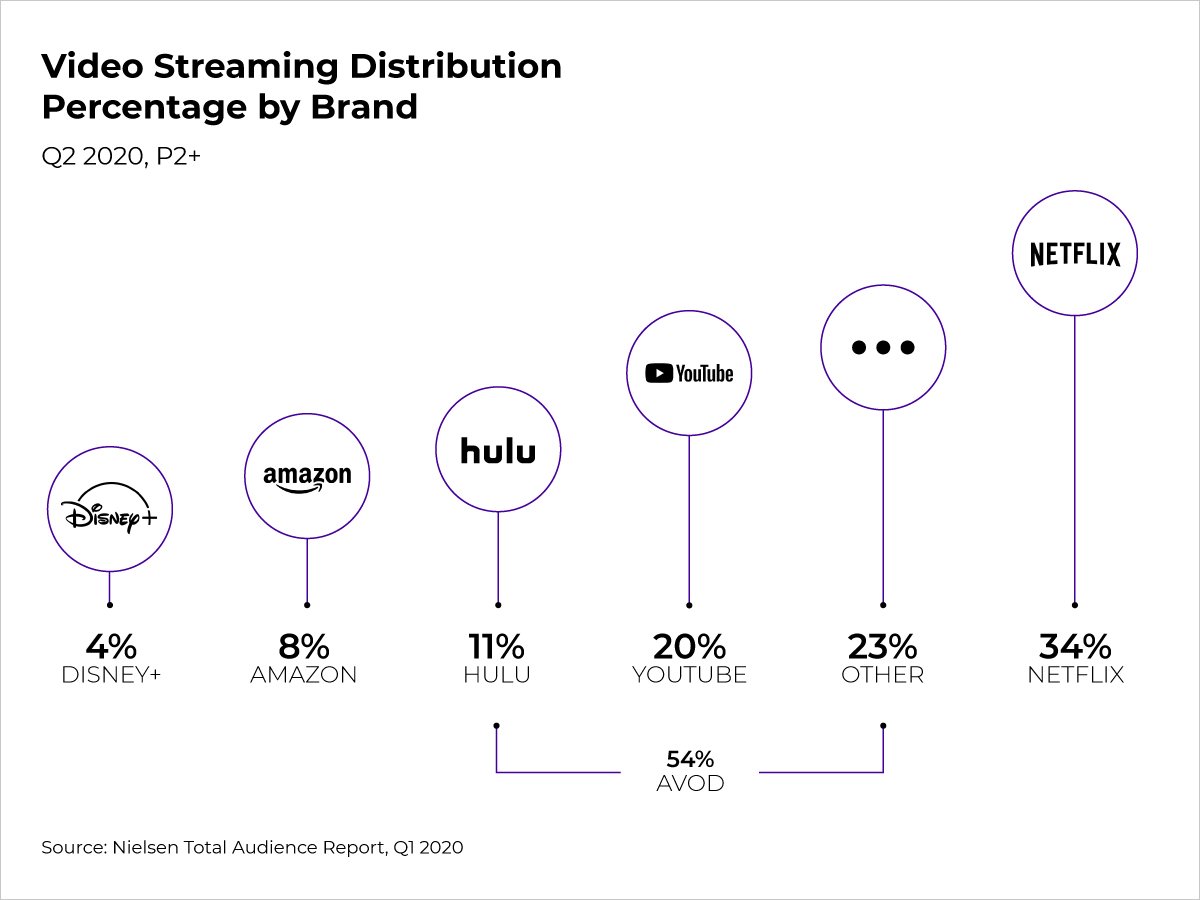
The script has flipped. Once, the journey from concept to screen was a well-worn path through traditional studios, networks, and distributors. Today, the evolution of production companies in the streaming era has not merely altered that path—it's blasted new canyons and forged entirely new routes. What began with early broadband experiments has exploded into a global phenomenon, profoundly reshaping how content is made, funded, and consumed.
It’s no longer enough for a production company to just make a great show or film; they must now understand algorithms, global tastes, direct-to-consumer strategies, and a myriad of financing models that didn't exist just a decade ago. This isn't just a technological shift; it's a creative, financial, and logistical revolution demanding unprecedented adaptability from every player in the game.
At a Glance: Key Takeaways for Production Companies in the Streaming Era
- Old Rules Are Out: Traditional content consumption, production, and distribution models have been completely upended by streaming.
- New Gatekeepers, New Opportunities: Streaming giants like Netflix and Amazon now act as major financiers and distributors, offering both unprecedented creative freedom and intense competition.
- Data is Gold: Analytics now drive content decisions, from greenlighting projects to marketing strategies. Production companies must understand how to leverage this.
- Global is the New Local: Content must resonate across borders, requiring localization, diverse storytelling, and international talent.
- Adapt or Be Left Behind: Success hinges on agility, understanding diverse business models (SVOD, AVOD, FAST), and embracing technological innovation.
- Talent Flow: A-list talent is increasingly drawn to streaming for creative freedom and financial backing, blurring lines between traditional and digital.
The Genesis of a Revolution: From Dial-Up to Dominance
To grasp the present, we need a quick look back. The seeds of the streaming revolution were planted not in glamorous Hollywood boardrooms, but in the mundane reality of broadband internet in the early 2000s. Suddenly, the pipe was wide enough to deliver moving pictures, not just static web pages.
Remember RealNetworks in 1995? It introduced early streaming audio/video, a clunky precursor that hinted at possibilities. Then came YouTube in 2005, a watershed moment that democratized content creation and consumption, proving people wanted video, and they wanted it on demand. But the real game-changer for film and TV production companies arrived in 2007, when Netflix, already a disruptor in DVD rentals, introduced its streaming service.
This wasn't just a new way to watch; it was the birth of Subscription Video on Demand (SVOD) as we know it. Platforms like Netflix, Hulu, Disney+, and HBO Max quickly became dominant, offering ad-free experiences, exclusive original programming, multi-device accessibility, and crucially, AI-driven recommendations that hooked viewers deeper than ever before. Later, the market diversified further, with Ad-Supported Video on Demand (AVOD) and hybrid models (Freemium, FAST) emerging. Think YouTube, Peacock's tiered options, Tubi, or Pluto TV – catering to audiences unwilling to juggle multiple paid subscriptions.
The Seismic Shift: How Streaming Rewrote the Rules
The transition wasn't gradual; it was tectonic. Every facet of the entertainment industry felt the tremor, forcing production companies to fundamentally rethink their strategies.
Content Consumption: The Rise of the Binge and Global Appetite
The biggest, most immediate impact was on how we watch. Gone were rigid broadcast schedules, replaced by instant access to vast libraries. This convenience birthed the cultural phenomenon of binge-watching, dramatically changing narrative construction. Shows are now designed for serialized storytelling, with cliffhangers woven into nearly every episode, encouraging viewers to devour an entire season in a weekend. For production companies, this meant crafting narratives that sustained engagement over hours, not just discrete episodes.
Furthermore, streaming’s global reach democratized access to content in an unprecedented way. Suddenly, international films and series weren't niche imports but mainstream hits. Think of South Korea's "Parasite," Spain's "Money Heist," Colombia's "Narcos," Germany's "Dark," or France's "Lupin." These shows didn't just find an audience; they built global fanbases, demonstrating that great storytelling transcends language barriers. Production companies with diverse voices and international perspectives found new avenues for their work, exploring how SVOD changed TV viewership dynamics across continents.
Traditional Cinema's Reckoning: Adapting or Fading
While home viewing boomed, traditional cinemas faced an existential threat. The convenience of watching a new release from your couch, often for the price of a single month's subscription, led to a steady decline in theater attendance—a trend severely exacerbated by the COVID-19 pandemic.
Cinemas have had to adapt, evolving into luxury experiences with upgraded seating, immersive sound systems, and exclusive events. But the most controversial adaptation has been the day-and-date release model, where a film premieres simultaneously in theaters and on streaming. While offering consumers flexibility, it's been a point of contention for cinema owners who fear it cannibalizes their business. This ongoing tension means production companies must now strategize not just if a film gets a theatrical run, but how long and in what combination with streaming, fundamentally altering distribution roadmaps and challenging the future of theatrical releases.
Redefining Film Production & Distribution: A New Ecosystem
Perhaps the most profound shift for production companies has been the complete overhaul of how projects are financed, produced, and distributed.
The New Financiers: Streaming Giants as Patrons
Netflix, Amazon, Apple, and now even major studios with their own direct-to-consumer (DTC) platforms, have become major players in financing and producing original content. This influx of capital has led to an explosion in both the quantity and diversity of projects being greenlit.
For independent production companies, this created new opportunities to secure funding outside the traditional Hollywood studio system. These streaming giants often take risks on projects that might have been deemed too niche or unconventional for traditional broadcast or theatrical release, fostering unprecedented creative freedom and giving voice to underrepresented filmmakers and genres. They're actively seeking content that differentiates their platform, leading to a golden age for varied storytelling.
Data Analytics: The New Greenlight Committee
In the past, greenlighting decisions were often based on gut feelings, executive relationships, and perceived market trends. Today, data analytics play a crucial role. Streaming platforms meticulously track viewer behavior: what you watch, when you watch it, how long you watch, what you rewatch, and even what you abandon. This data allows them to make incredibly informed decisions on content acquisition, production, and marketing based on viewer preferences and predicted success.
For production companies, this means understanding the metrics. Pitches need to be backed not just by artistic merit but by an awareness of what kinds of stories resonate with specific audience segments or fill gaps in a platform's library. It's about combining creative vision with a data-informed approach, effectively leveraging data for content creation to build compelling narratives.
Direct-to-Consumer (DTC) and Shorter Windows
Traditional studios, seeing the success of streaming giants, began adopting their own Direct-to-Consumer (DTC) strategies. Disney, for example, famously pivoted to make Disney+ the centerpiece of its content distribution, often prioritizing its streaming platform over traditional theatrical releases or external licensing deals. This means studios are increasingly bypassing traditional distributors, tightening their grip on their intellectual property, and monetizing it directly.
For production companies, this changes the landscape of who to partner with and how to negotiate rights. Furthermore, the concept of shorter theatrical windows is now the norm, with many movies arriving on streaming platforms within weeks, sometimes even days, of their cinema release. This rapid transition demands a more integrated marketing and release strategy from the outset.
The Rise of Original Content and the Talent Migration
The battle for subscribers became a battle for exclusive, original content. This led to massive investments and a significant shift in where top talent wanted to work.
Original Content as the Ultimate Differentiator
In a saturated market, original content became the key differentiator, the essential lure to attract new subscribers and retain existing ones. Shows like Netflix’s "Stranger Things" and "The Crown," or Disney+'s "The Mandalorian," aren't just popular; they're brand identifiers. They represent the unique flavor and quality of their respective platforms.
Production companies found themselves in high demand, commissioned to develop and produce these tentpole originals. This put immense pressure on them to consistently deliver high-quality, buzzworthy content that could break through the noise.
The Lure of Creative Freedom and Financial Backing
High-profile directors, writers, and actors—from Martin Scorsese to Shonda Rhimes—are increasingly drawn to streaming platforms. The reasons are multifaceted:
- Creative Freedom: Streamers, often seeking diverse and daring content, provided a haven for projects deemed too risky or unconventional by traditional studios. They often offer greater artistic control and longer-form storytelling opportunities.
- Financial Backing: The deep pockets of tech giants meant substantial budgets were available, allowing for ambitious productions that could rival, or even surpass, traditional blockbusters in scale and quality.
- Audience Reach: The instant global reach of streaming meant their work could be seen by millions worldwide without the limitations of traditional distribution.
This talent migration has blurred the lines between "traditional" and "digital" content, lending prestige and star power to streaming productions that once solely resided in feature films and network television. The production company behind hit shows like Grey's Anatomy Who produces Greys Anatomy has had to adapt its model, continuing to produce for traditional networks while also exploring streaming opportunities.
Beyond the Screen: Award Recognition and Global Expansion
The streaming era didn't just change how content was made; it changed how it was perceived and how far it could reach.
Gaining Award Recognition
Initially, there was resistance from traditionalists, but streaming films quickly gained recognition at major award shows. Alfonso Cuarón's "Roma" (Netflix) was nominated for multiple Academy Awards, winning Best Director, Best Cinematography, and Best Foreign Language Film. Amazon's "Manchester by the Sea" also garnered Oscar nominations and wins. Similarly, streaming series regularly sweep the Emmys.
This acceptance, though sometimes controversial regarding theatrical release eligibility, legitimized streaming content as artistic equals to traditional cinema and television. For production companies, it meant that prestige projects no longer had to aspire solely to a theatrical release; streaming premieres could also be a path to critical acclaim and industry accolades.
Global Expansion and Localization
The ambition of streaming platforms extends far beyond English-speaking markets. Their global expansion necessitates meticulous localization efforts, not just through dubbing and subtitling, but by investing heavily in local content production. This means creating films and series specifically for diverse audiences in different countries, featuring local talent and cultural narratives.
For production companies, this opens up immense opportunities to partner with international platforms and develop content with a global appeal. It's about understanding global streaming market trends and cultural nuances, facilitating a cross-cultural exchange that enriches the entire viewing landscape.
Navigating the Treacherous Waters: Challenges and Future Directions
The streaming era, for all its opportunities, presents significant challenges for production companies. The landscape is still evolving, demanding constant vigilance and strategic foresight.
Current Challenges: Saturation, Fatigue, and Sustainability
- Market Saturation: The sheer number of streaming services means consumers are facing "subscription fatigue." There are only so many services people are willing to pay for, creating fierce competition for subscriber dollars and, by extension, for content.
- Subscriber Churn: Retaining subscribers is harder than ever. Viewers might subscribe for one hit show and then cancel once they've binged it. This puts pressure on platforms (and thus, production companies) to consistently deliver compelling new content.
- Sustainability of the SVOD Model: The "spending spree" of original content comes at a massive cost. With high production budgets and a limit to how much consumers will pay for subscriptions, the long-term sustainability of the purely SVOD model is under scrutiny. Many platforms are still not profitable.
Future Trends: The Road Ahead
The industry is far from settled. Production companies must look to these evolving trends to secure their future:
- Hybrid Models Will Dominate: Expect more experimentation with ad-supported and tiered subscription models (e.g., Netflix's ad-supported tier, Peacock's free/paid options). Production companies need to understand how these different revenue streams might influence content requirements and monetization.
- Evolving Theatrical/Streaming Relationship: The day-and-date debate will continue to evolve, likely settling into a flexible, hybrid approach tailored to specific films and market conditions. For production companies, this means strategic planning for each project's optimal release window and platform.
- Technological Advancements:
- AI-powered Content Curation: AI will become even more sophisticated in identifying content gaps, predicting audience preferences, and even assisting in script development or post-production.
- Metaverse and Virtual Streaming: As immersive virtual worlds develop, opportunities for interactive storytelling and new forms of content consumption will emerge. Production companies might need to consider branching into VR/AR experiences.
- Blockchain for Content Rights: Blockchain technology could revolutionize content rights management, improving transparency, traceability, and monetization for creators and production companies.
- 5G for Enhanced Streaming Quality: The rollout of 5G networks will enable even higher quality, lower-latency streaming, pushing the boundaries of what's possible in mobile and home viewing.
- Growth of Niche and Regional Platforms: Beyond the global giants, there's a growing market for niche platforms catering to specific genres (e.g., horror, anime) or regional audiences. This offers production companies opportunities to create highly targeted content for dedicated communities.
Thriving in the New Frontier: Actionable Insights for Production Companies
The streaming era isn't a temporary fad; it's the new reality. For production companies to not just survive but thrive, a proactive and adaptive mindset is essential.
- Become Data-Literate: Understand how data drives decisions. While creativity remains paramount, being able to articulate a project's potential audience appeal through data insights can be a significant advantage in securing funding.
- Embrace Global Storytelling: Think beyond your local market. Develop content with universal themes that can resonate globally, or, conversely, create hyper-local content that serves a specific, underserved international market. Localization isn't an afterthought; it's a design principle.
- Diversify Your Partnerships: Don't put all your eggs in one streaming giant's basket. Explore opportunities with a range of SVOD, AVOD, and FAST platforms, as well as emerging niche services. Each has different content needs and financial models.
- Innovate in Formats and Narrative: The traditional 30-minute sitcom or 90-minute feature film isn't the only option. Experiment with interactive storytelling, shorter-form series, docu-series, or even content designed for new platforms like TikTok or immersive VR.
- Focus on IP Development: In a content-hungry world, owning valuable intellectual property is crucial. Invest in developing your own original concepts and franchises that can be adapted across various formats and platforms.
- Stay Technologically Savvy: Keep an eye on emerging technologies like AI, Metaverse developments, and blockchain. Understanding their potential impact will position your company at the forefront of innovation.
- Prioritize Talent Relationships: In a competitive environment, fostering strong relationships with writers, directors, and actors is more important than ever. Offer creative freedom, fair compensation, and a collaborative environment to attract and retain the best.
The evolution of production companies in the streaming era is an ongoing saga, one filled with both immense challenges and unprecedented opportunities. By staying agile, understanding market intelligence, and continuously adapting to the shifting sands of content consumption and technology, production companies can write their own success stories in this exciting new chapter of entertainment.